Red Light Therapy
A Premium Recovery, Regeneration & Performance Experience
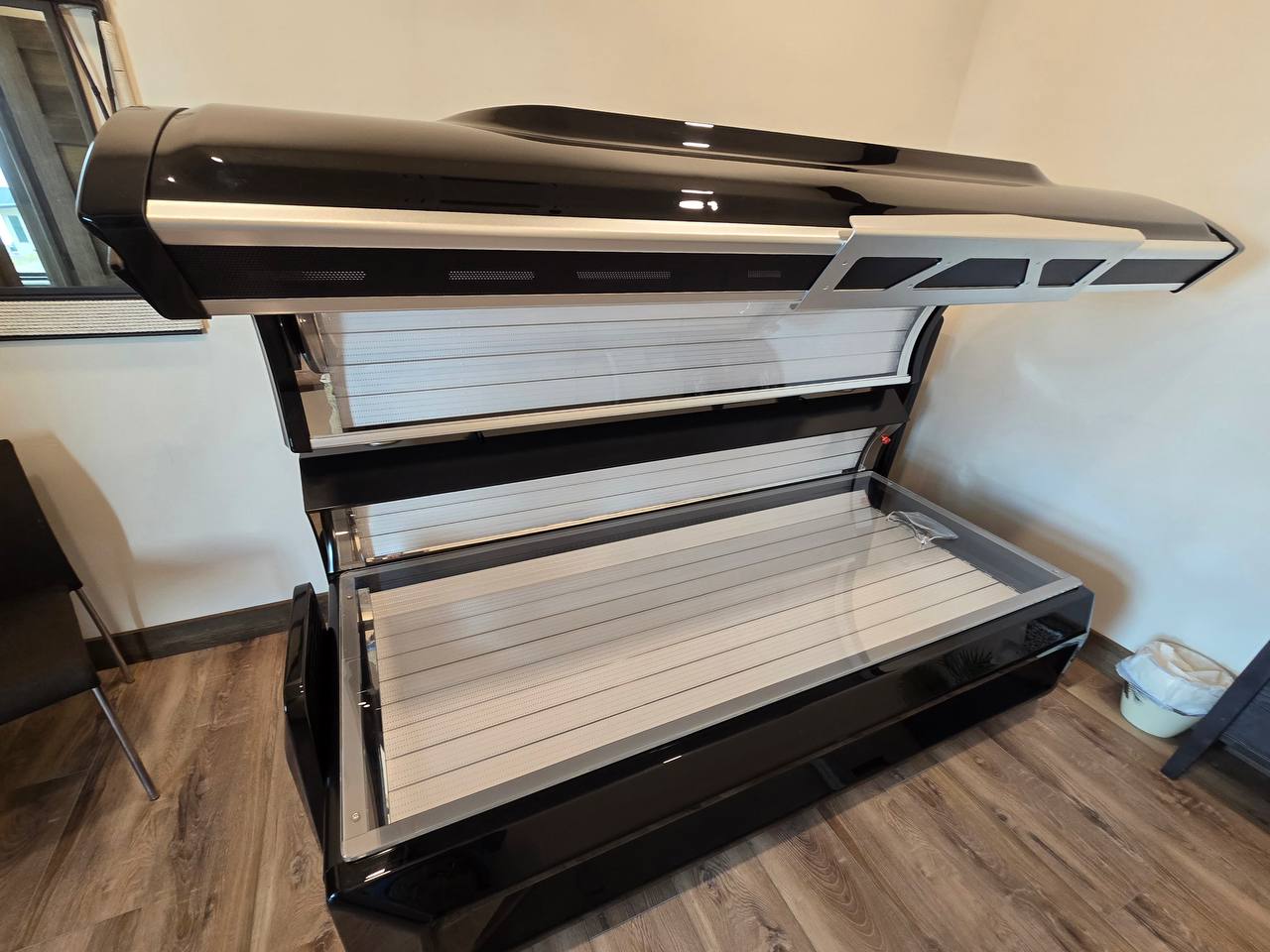
The ELEVE™ Power Light Bed represents the future of whole-body recovery: intelligent, customizable, non-invasive and deeply restorative.
By combining powerful wavelengths, adjustable frequencies, and full-body exposure, this technology allows us to move beyond basic wellness and into targeted recovery design.
Every session is intentional.
Every setting has a purpose.
Every protocol is built around helping the body heal, recover, regulate and perform.
The ELEVE™ Power Light Bed delivers a powerful recovery experience and is one of their most powerful full-body light therapy technologies, designed to support the body's natural ability to recover, repair, regulate, and perform, improve health, enhance beauty and optimize athletic performance.
In as little as 10 minutes, the Power Light Bed delivers therapeutic light through a sophisticated combination of Blue (450nm), Red (630nm & 660nm), and Infrared LED (850nm & 940nm) wavelengths. These wavelengths interact with the body at different tissue depths, allowing sessions to be customized for recovery, pain, inflammation, circulation, skin health, athletic performance, nervous system regulation, and overall wellness.
Whether your goal is to accelerate fat loss, alleviate pain, combat signs of aging, improve skin clarity or boost recovery after physical activity, Eleve™ Power Light Beds offer a versatile, full-body solution. Unlike handheld or targeted devices that require time and effort to treat small areas, a red light therapy bed allows for total-body treatment in just one relaxing session. It's one of the few technologies that seamlessly bridges the gap between beauty, wellness, and performance.
“Experience the transformative power of Eleve Light Therapy”
This is not a one-size-fits-all light session. The ELEVE™ Power Light Bed allows different configurations to support different goals, making it one of the most versatile tools.
What the ELEVE™ Power Light Bed May Help With:
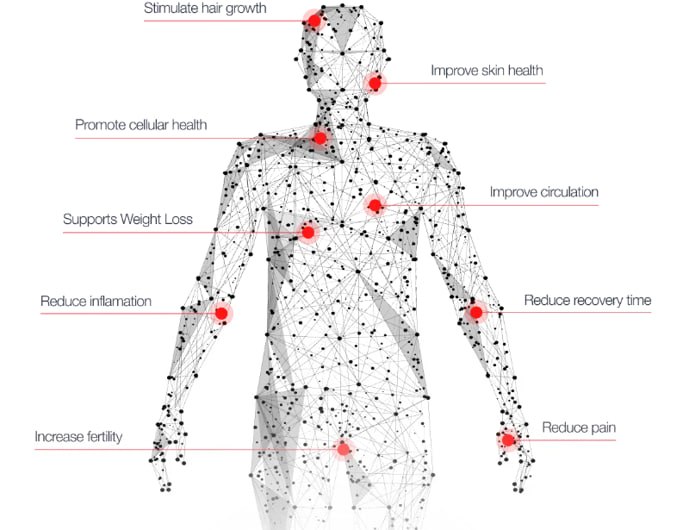
*Please note that it is not suitable for treating congenital skin hypoplasia, including warts, spots, and moles.
WHAT TO EXPECT
For Your Light Therapy Session
Welcome — Your session is designed to support recovery, reduce discomfort, improve skin health, and help your body reset at a cellular level. Most clients find the experience relaxing, warm, and energizing.
YOUR GOALS MATTER
Every session can be customized. Let us know if your goal is:
We'll tailor your session to match.
Recommended Frequency of Use
*This technology is intended to support wellness and recovery. It does not diagnose, treat, cure, or prevent disease. The Power Light Bed is a supportive wellness tool, not a substitute for medical diagnosis or emergency care.
Difference Between Red Light Therapy and Infrared Sauna
While both red light therapy and infrared saunas utilize light to promote healing and wellness, they work in very different ways and offer distinct benefits. Here's a breakdown of how they differ:
Difference Between Red Light Therapy and Tanning Beds
While both red light therapy and tanning beds expose the skin to light, their purposes, effects, and mechanisms are entirely different. Here's how they are different:
FAQ's
The Science Behind Infrared Light Therapy
The use of infrared light as treatment isn't new — in fact, it can be traced back over a hundred years to 1903, when scientist Niels Finsen won the Nobel Prize of Medicine for the use of light therapy (previously known as phototherapy). In the 1960s, LED therapy emerged and became a popular treatment method in Europe for chronic pain, arthritis, joint issues, and more.
Today, many studies have shown promising results for infrared light.
Studies:
- •For Fat Loss: https://pmc.ncbi.nlm.nih.gov/articles/PMC3769994/
- •For Skin: https://pmc.ncbi.nlm.nih.gov/articles/PMC3926176/
- •For Sports: https://www.mdpi.com/2075-1729/11/12/1339
- •For Sports: https://pmc.ncbi.nlm.nih.gov/articles/PMC5026559/
- •For Muscle Recovery: https://pmc.ncbi.nlm.nih.gov/articles/PMC3926176/
- •For Wound Healing: https://pmc.ncbi.nlm.nih.gov/articles/PMC4148276/